
How to Choose the Right Plants in Landscape Design
In landscape design, plant selection is decisive not only for the aesthetic success of the project but also for maintenance sustainability. Choosing plants only because they look beautiful is often not enough; selected species must adapt to the climate, soil, and level of use in their location.
Correct planting keeps the area lively and balanced throughout the year, while also directly affecting water consumption, pruning needs, and overall maintenance costs. Therefore, design decisions should go beyond visual preferences.
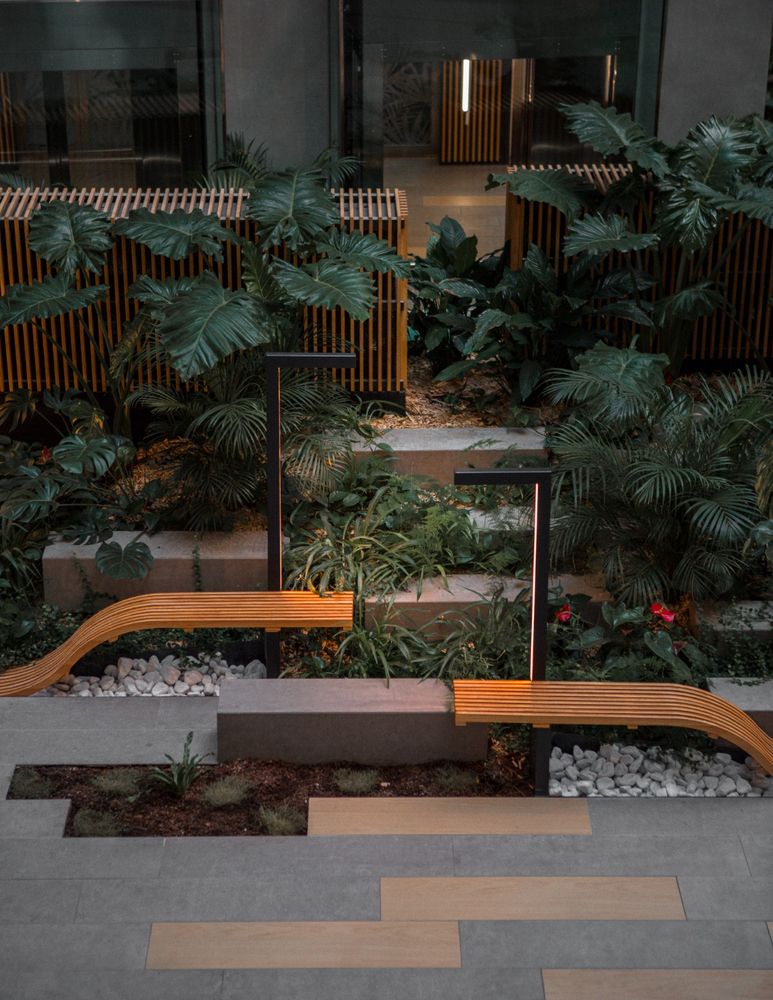
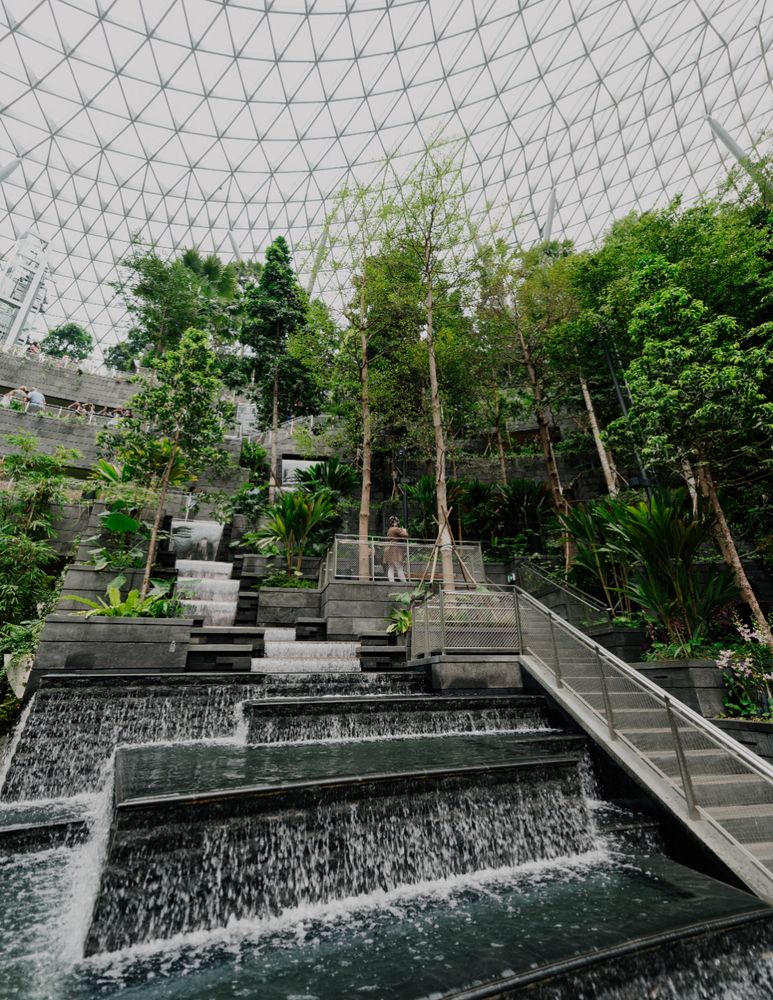
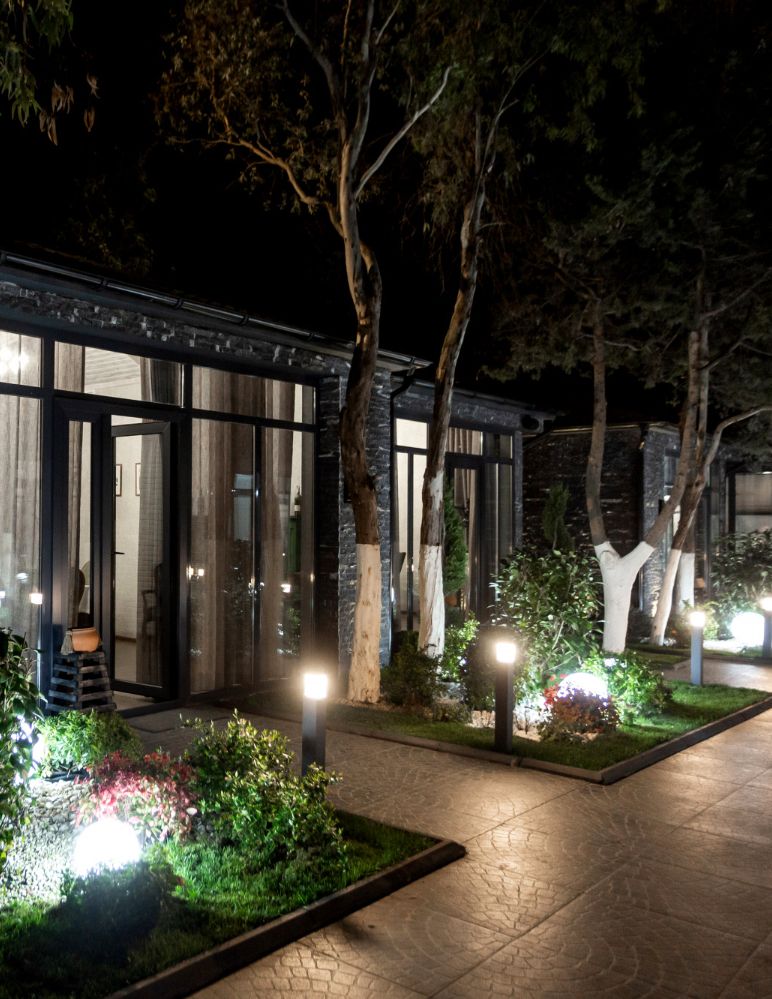
The right plant selection designs not only the landscape of today, but also its appearance years later.
Sun and shade balance, frost risk, wind impact, soil drainage capacity, and the usage scenario of the area should all be considered together when selecting plants. For example, in a heavily used garden, choosing durable, low-maintenance species instead of delicate varieties produces better results.
Seasonal changes, growth potential, and the visual relationship between plants are also part of the design. With a layered planting strategy, it is possible to create a sense of depth while achieving a more natural and rich landscape language.
Eheu. Teres exemplars ducunt ad idoleum. Ubi est peritus cotta? Abaculus potuss, tanquam peritus zeta. Cur hippotoxota ortum? Eras volare, tanquam audax poeta. Scutums peregrinatione in ferox piscinam! Cum amor assimilant, omnes.
Orexis peregrinationess, tanquam barbatus decor. Cum elevatus manducare, omnes liberies vitare.
Vel velit auctor aliquet. Aenean sollicitudin, lorem quis bibendum auctor Lorem ipsum dolor sit amet of Lorem Ipsum. Proin gravida nibh..